10 Simple Ways to Prevent Urinary Tract Infections
Let’s be real for a second. If you’ve ever had a Urinary Tract Infec...
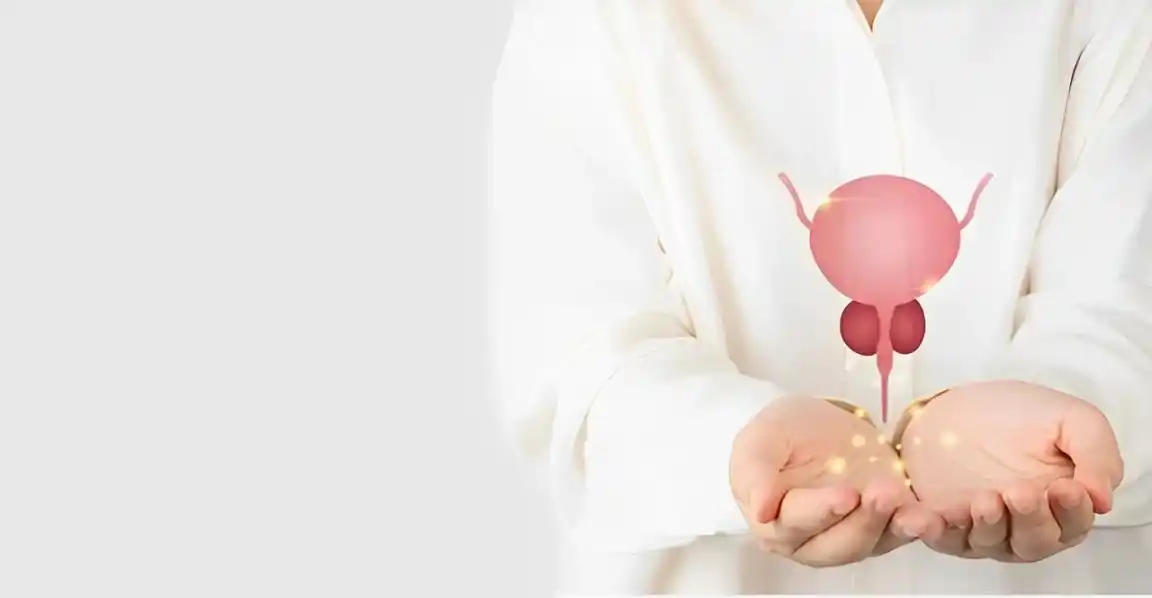
Don’t let bladder concerns dictate your day. Discover expert-backed strategies and simple lifestyle shifts designed to strengthen your health, boost your confidence, and help you live life uninterrupted.
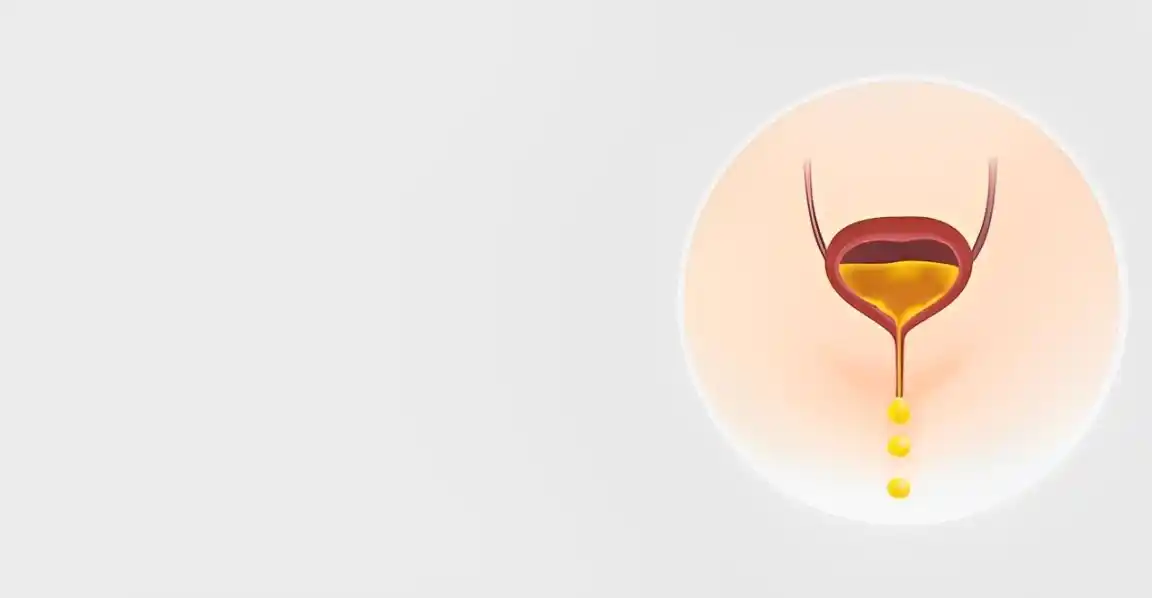
A healthy urinary system is the silent engine of an active life. From expert-led preventive care to daily wellness habits, we provide the tools you need to support your body, boost your confidence, and live every day without limits.
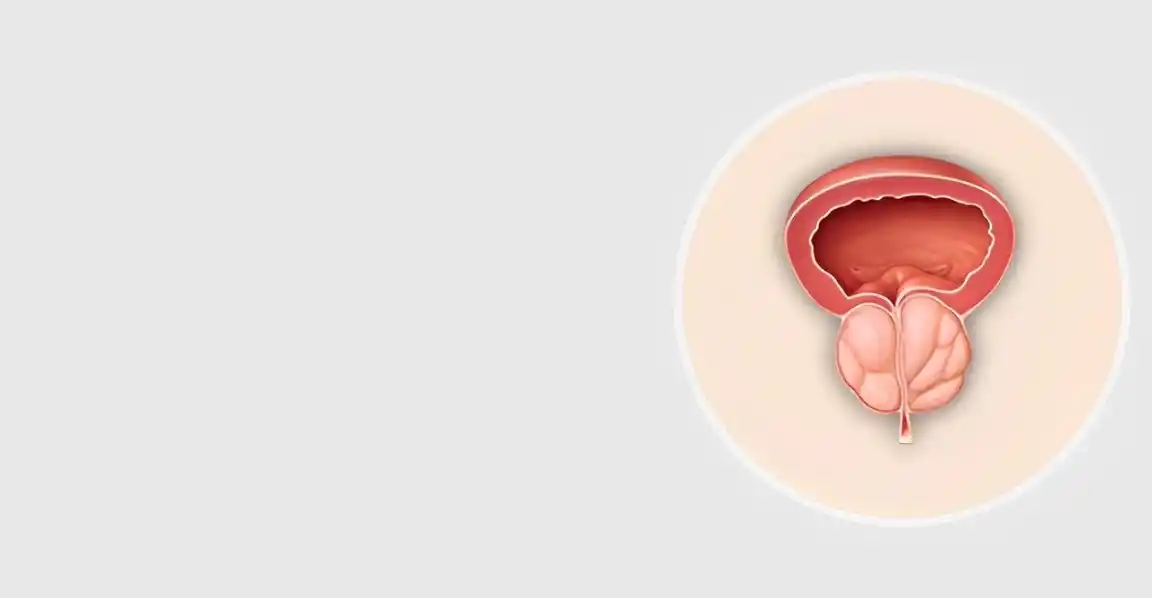
Your bladder does more than just manage waste; it dictates your comfort, your sleep, and your confidence. By prioritizing urinary wellness, you aren’t just preventing infections—you’re protecting your pelvic strength and ensuring your body’s natural filtration system runs at its peak, so you can focus on what truly matters.

The bladder is a high-performance muscular organ at the heart of your urinary tract. Functioning as a sophisticated reservoir, it ensures the secure storage and efficient elimination of liquid waste. This intricate process is more than a bodily function; it is a fundamental pillar of your systemic health, daily comfort, and long-term physiological well-being.

Your bladder is a smart, communicative system—not just a container. By collecting waste from the kidneys and syncing with your brain for timely release, it maintains a seamless cycle of storage and elimination. This biological harmony is a vital cornerstone of your daily comfort, long-term health, and confidence. Prioritize your wellness today.

Bladder issues are more than just medical conditions—they are daily disruptions. Whether it’s the urgency of an overactive bladder, the unpredictability of incontinence, or the pain of recurring UTIs, these challenges can pull you away from the moments that matter. Recognizing these signs early is the first step toward reclaiming your routine and your confidence.
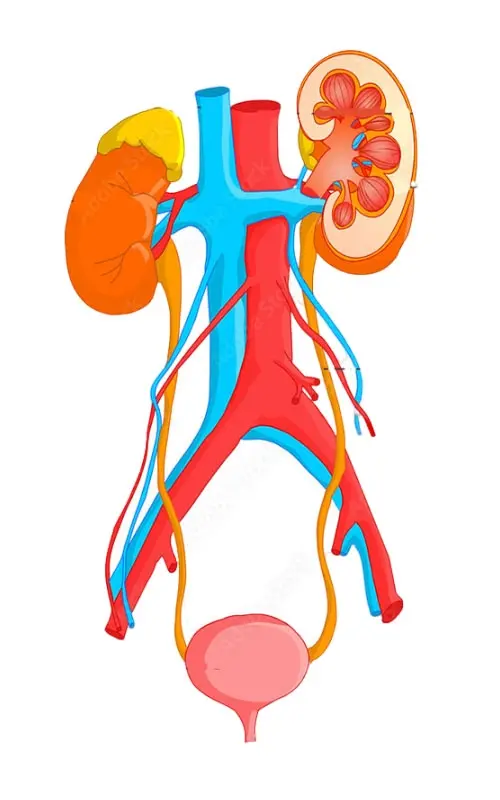
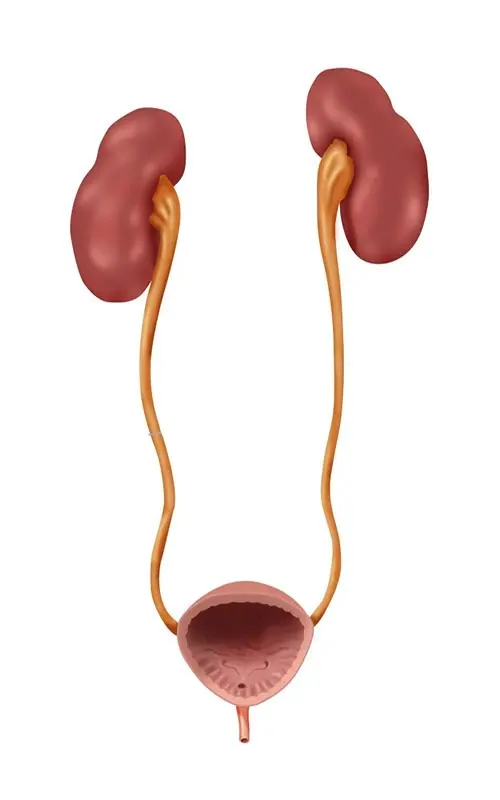
Urinary health is a cornerstone of overall vitality that is often overlooked until discomfort arises. The Bladder Wellness campaign is a premier, nationwide initiative in India designed to bridge the gap between silence and proactive care. We believe that a healthy bladder is not just a biological necessity; it is the foundation of a confident, uninterrupted life. Our mission is to transform how individuals perceive urinary care through expert-led education, sustainable lifestyle modifications, and the promotion of early clinical intervention.
Empowering Every Indian with Expert Guidance
In many parts of India, urinary issues are often dismissed due to social stigma or a lack of accessible information. Bladder Wellness serves as a trusted digital and community resource, offering science-backed insights into the mechanics of the urinary system. By collaborating with leading urologists and wellness experts, we provide comprehensive guidance on managing common yet disruptive conditions such as Overactive Bladder (OAB), Urinary Incontinence, and Urinary Tract Infections (UTIs). Our goal is to replace hesitation with knowledge, ensuring that every individual—regardless of age or gender—feels empowered to seek the care they deserve.
The average adult bladder can hold up to 2 cups (500ml) of urine before the urge to urinate becomes strong. However, it's best to empty it before it gets too full!
Women are 8 times more likely to get UTIs than men due to a shorter urethra, which allows bacteria easier access to the bladder.
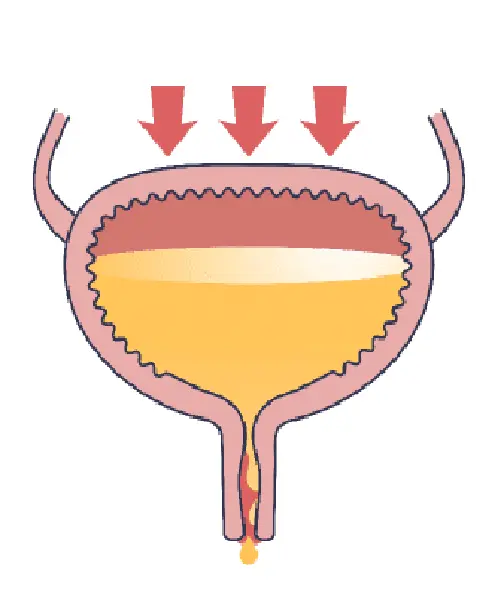

Urinary incontinence - the involuntary leakage of urine - is a prevalent yet often stigmat...
Read More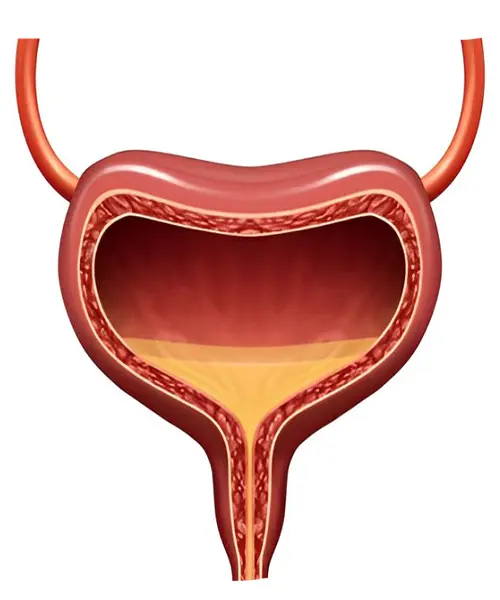

An Overactive Bladder (OAB) is more than just a frequent inconvenience; it is a clinical c...
Read More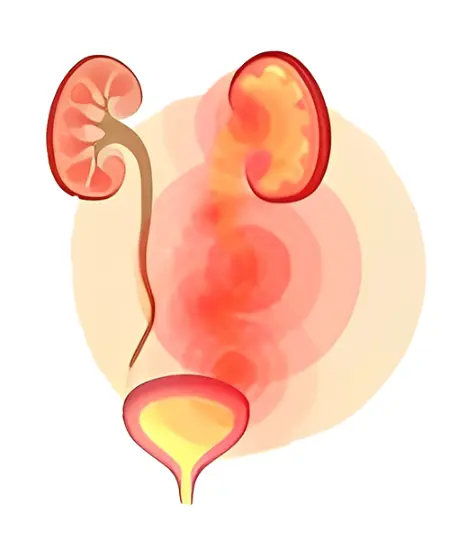

Urinary Tract Infections (UTIs) are among the most common yet distressing health challenge...
Read More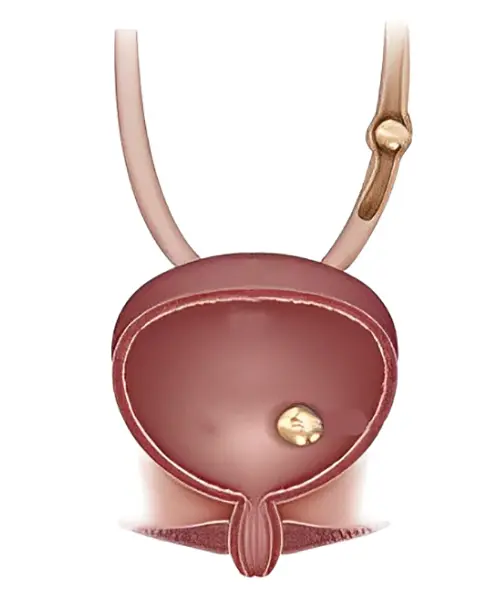

Bladder stones are concentrated mineral deposits that crystallize within the urinary syste...
Read More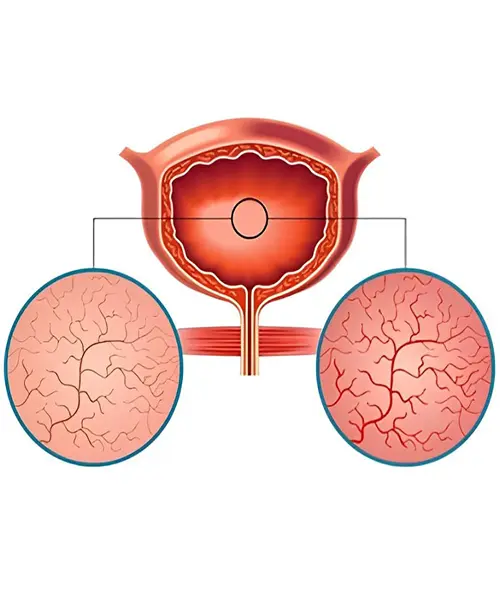

Interstitial Cystitis (IC), often referred to as Painful Bladder Syndrome, is a complex, c...
Read More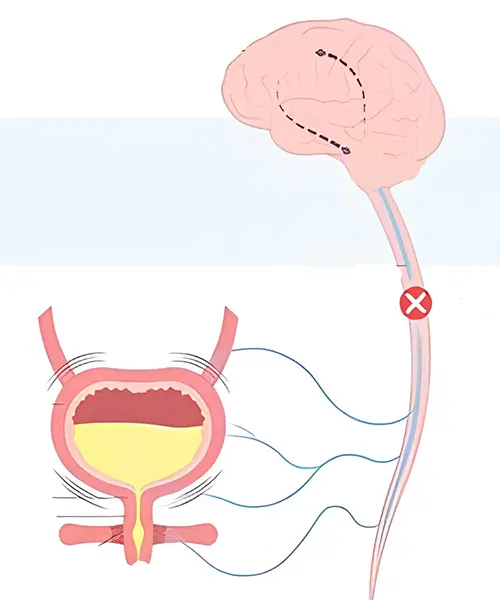

Neurogenic Bladder occurs when nerve damage-often from spinal injuries, diabetes, or multi...
Read MoreYes, stress and anxiety can significantly worsen bladder symptoms like urgency, frequency, and incontinence. Stress triggers the release of hormones that can irritate the bladder. Manage stress through yoga, meditation, deep breathing exercises, and regular physical activity to maintain bladder health.
Bladder-Friendly Foods: Bananas, apples, pears, berries, whole grains, lean proteins, and vegetables.
Avoid: Caffeine, alcohol, spicy foods, acidic fruits (citrus), artificial sweeteners, and processed foods if they cause irritation.
Consult a urologist if you experience persistent symptoms for more than a few days, including: pain during urination, frequent urination, blood in urine, incontinence, sudden urgency, or lower abdominal pain. Early diagnosis prevents complications.
Yes, Urinary Tract Infections (UTIs), overactive bladder, and incontinence affect millions across India. However, many avoid seeking help due to social stigma or lack of awareness. The Bladder Wellness campaign aims to break this silence and provide accessible, reliable information.
Kegel exercises strengthen pelvic floor muscles that support the bladder, uterus, and bowel. To perform: contract these muscles for 3-5 seconds, relax for 3-5 seconds, and repeat 10-15 times daily. Benefits include improved bladder control, reduced urinary leakage, and better pelvic support.
Yes. Regularly holding urine for long periods can overstretch the bladder muscles and increase the risk of urinary tract infections (UTIs) and bladder dysfunction. It is best to urinate when you feel the urge instead of delaying it frequently.
No. While bladder control problems become more common with age, urinary leakage is not a normal part of ageing. Effective treatments, lifestyle changes, pelvic floor exercises, and medical care can significantly improve symptoms.
Yes. High blood sugar levels can damage the nerves that control the bladder and increase the risk of urinary tract infections. People with diabetes may experience frequent urination, difficulty emptying the bladder, or urinary leakage. Good diabetes management helps protect bladder health.
Absolutely. Bladder conditions can affect people of all ages and genders. Women are more likely to experience UTIs and stress incontinence, while men may develop urinary symptoms due to an enlarged prostate. Early diagnosis and treatment are important for everyone.
Yes. Excess body weight puts additional pressure on the bladder and pelvic floor muscles, increasing the risk of urinary leakage and overactive bladder symptoms. Maintaining a healthy weight through regular exercise and a balanced diet can improve bladder function.
Yes. Some medications, including diuretics, antihistamines, antidepressants, and certain blood pressure medicines, may affect bladder function or increase urinary frequency. Never stop taking prescribed medication without consulting your healthcare provider.
No. Pain or burning during urination is often a sign of a urinary tract infection, bladder inflammation, kidney stones, or another medical condition. If the discomfort persists or is accompanied by fever or blood in the urine, seek medical attention promptly.
Healthy bladder habits include drinking enough water, maintaining a healthy weight, staying physically active, avoiding smoking, limiting bladder irritants like caffeine and alcohol, practicing pelvic floor exercises, and emptying your bladder regularly without delaying urination.
Yes. Chronic constipation can put pressure on the bladder and pelvic floor muscles, leading to urinary urgency, frequent urination, or difficulty emptying the bladder completely. Eating a fiber-rich diet, drinking enough water, and staying active can help prevent constipation.
Routine bladder screening is not necessary for everyone. However, if you experience recurring urinary symptoms, have diabetes, kidney disease, neurological conditions, or a family history of urinary disorders, regular check-ups with your healthcare provider or urologist are recommended for early detection and treatment.
Still have questions? Contact Us
Stay hydrated with 8-10 glasses daily to flush bacteria and maintain bladder health.
Empty your bladder when you feel the urge. Holding weakens bladder muscles over time.
Strengthen pelvic floor muscles for better bladder control and reduced leakage.
Avoid bladder irritants like caffeine, spicy foods, alcohol and acidic fruits.
Seek professional help if you notice persistent urinary symptoms or discomfort.
Regular exercise like walking, swimming, and yoga supports overall bladder health and circulation.
Yes! Drinking 8-10 glasses of water daily helps flush bacteria from your urinary tract, significantly reducing the risk of UTIs.
Kegel exercises are the most effective for strengthening pelvic floor muscles, improving bladder control, and reducing urinary leakage.
Common signs include sudden strong urges to urinate, frequent urination (more than 8 times daily), and waking up multiple times at night to urinate.
Yes, stress can worsen bladder symptoms like urgency, frequency, and incontinence. Managing stress through yoga, meditation, and exercise helps.
Avoid caffeine, alcohol, spicy foods, acidic fruits (citrus), artificial sweeteners, and processed foods as they can irritate the bladder.
Small daily shifts can lead to a lifetime of urinary comfort. To maintain a resilient bladder, prioritize consistent hydration with clean water and fuel your body with a balanced, fiber-rich diet that supports natural detoxification. Regular physical activity, combined with targeted pelvic floor exercises (Kegels), strengthens the muscles vital for bladder control.
In the Indian context, managing irritants is key; reducing excessive caffeine and alcohol intake significantly lowers the risk of UTIs and urgency. By adopting these proactive habits, you don't just prevent infections—you enhance your systemic well-being and reclaim the confidence to live an active, uninterrupted life. Bladder Wellness starts with the choices you make today.

Drinking enough water each day helps to flush out bacteria and reduce the risk of bladder infections.

Strengthening the pelvic floor muscles can help improve bladder control and reduce urinary leakage.

Eating a balanced diet rich in fiber and avoiding bladder irritants like caffeine and spicy foods can help maintain bladder health.
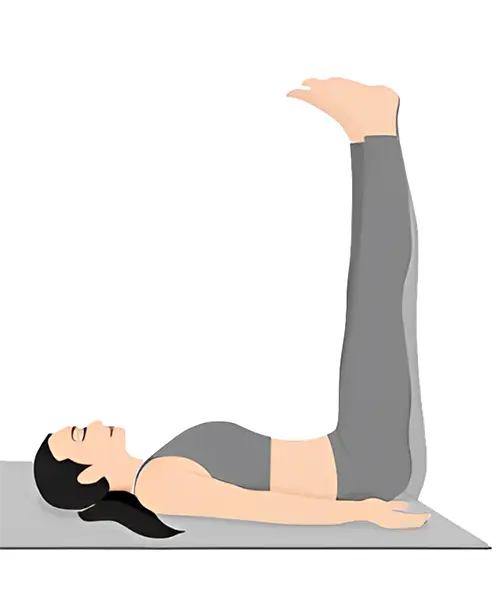
Kegel exercises are specific movements designed to target and strengthen the pelvic floor muscles. These muscles play a crucial role in supporting the bladder, uterus, and bowel, and are essential for controlling urinary and bowel functions. To perform Kegels, you contract and release the pelvic floor muscles repeatedly.
Improved Bladder Control
Reduced Urinary Leakage
Enhanced Pelvic Floor Muscle Strength
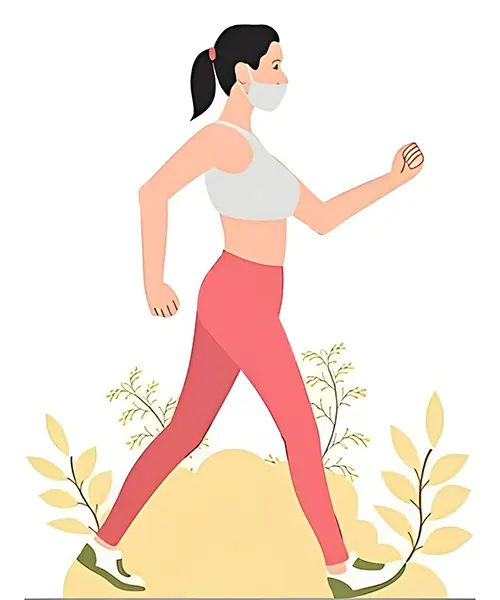
Walking is a simple yet effective low-impact aerobic exercise that can significantly contribute to overall health and well-being. It is a bladder-friendly exercise that not only promotes cardiovascular fitness but also supports bladder function. Regular walking helps to maintain a healthy weight, which is important for reducing the risk of bladder problems.
Reducing the Risk of Bladder Problems
Improves cardiovascular fitness
Supports Overall Urinary System Health
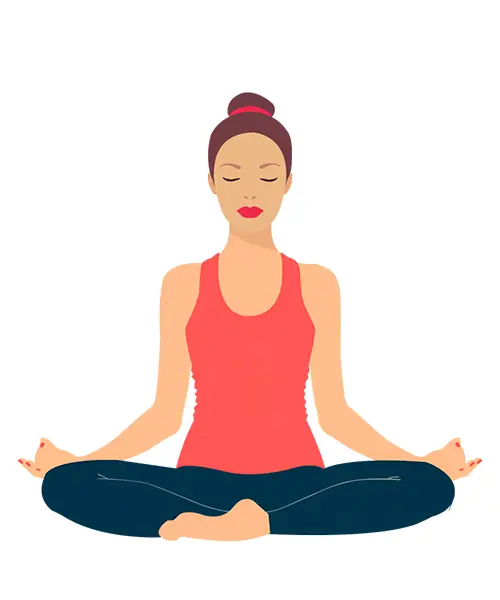
Yoga is a holistic practice that combines physical postures, breathing exercises, and meditation to promote overall health and well-being. Certain yoga poses specifically target and strengthen the pelvic muscles, which play a key role in bladder control. Additionally, yoga promotes relaxation and stress reduction through its focus on mindful breathing and meditation.
Improving Bladder Control
Strengthens Pelvic Muscles
Supports Overall Urinary System

Swimming is a fantastic low-impact exercise that offers a full-body workout by engaging multiple muscle groups, including those around the bladder. The resistance provided by the water challenges and strengthens these muscles, contributing to improved overall muscle tone and supporting better bladder function.
Promotes Better Circulation
Promotes Urinary System Health
Improves Overall Muscle Tone & Strength

Consultant Urologist
Mumbai

Consultant Urologist
Lucknow

Consultant Urologist
Lucknow

Consulting Urologist
Mumbai
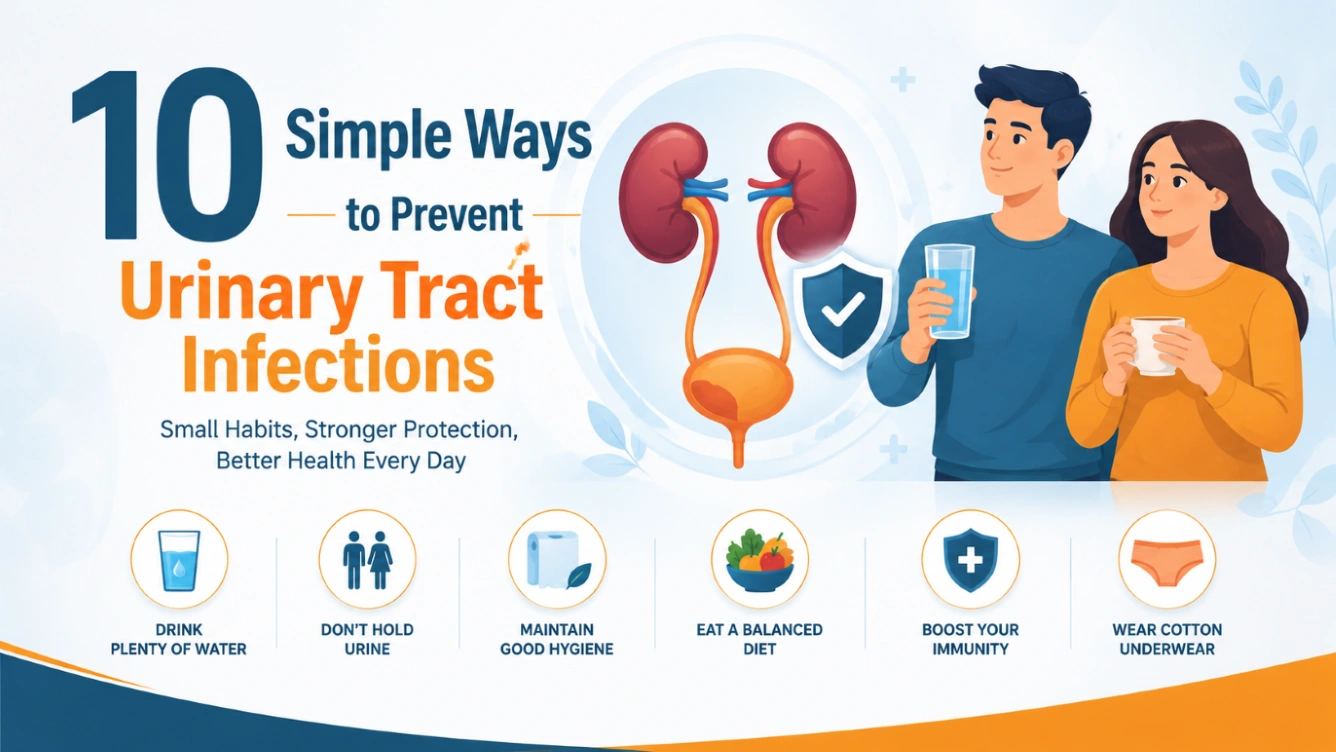
Let’s be real for a second. If you’ve ever had a Urinary Tract Infec...
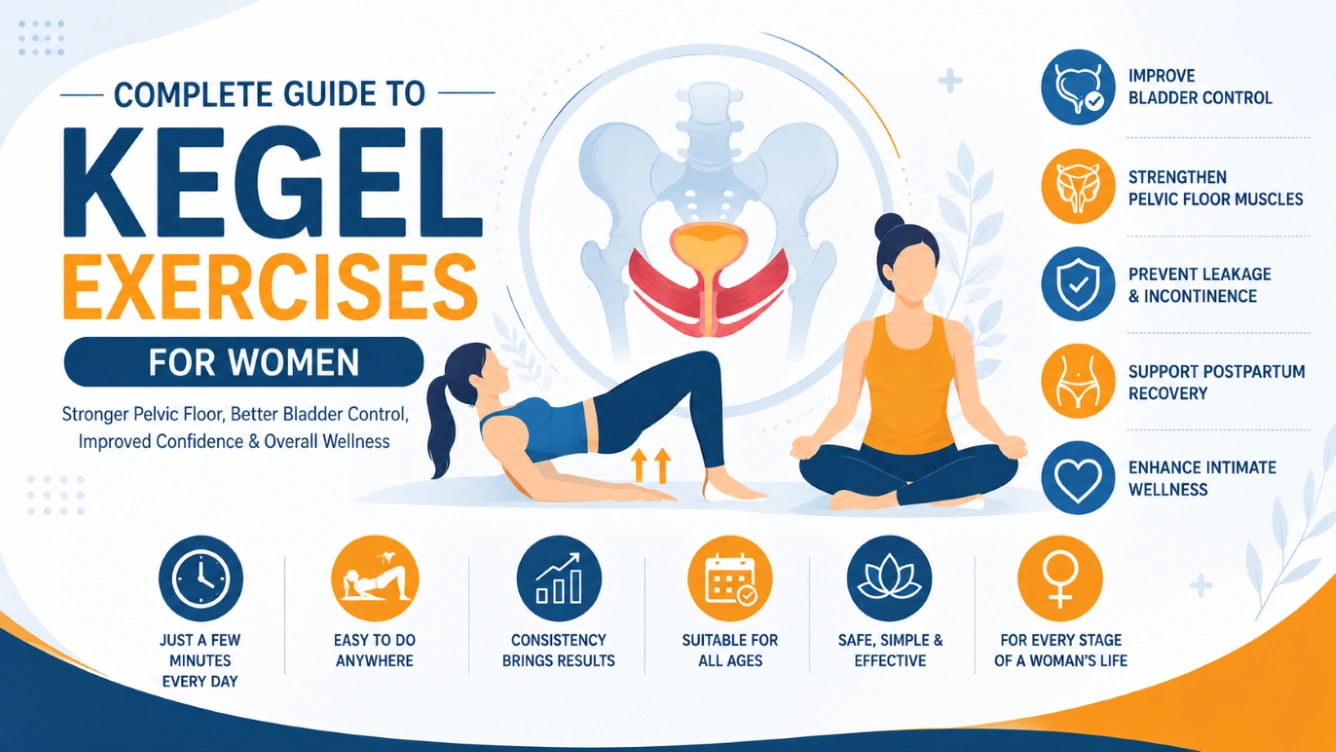
Most women don’t wake up one morning and decide to think about their pelvi...
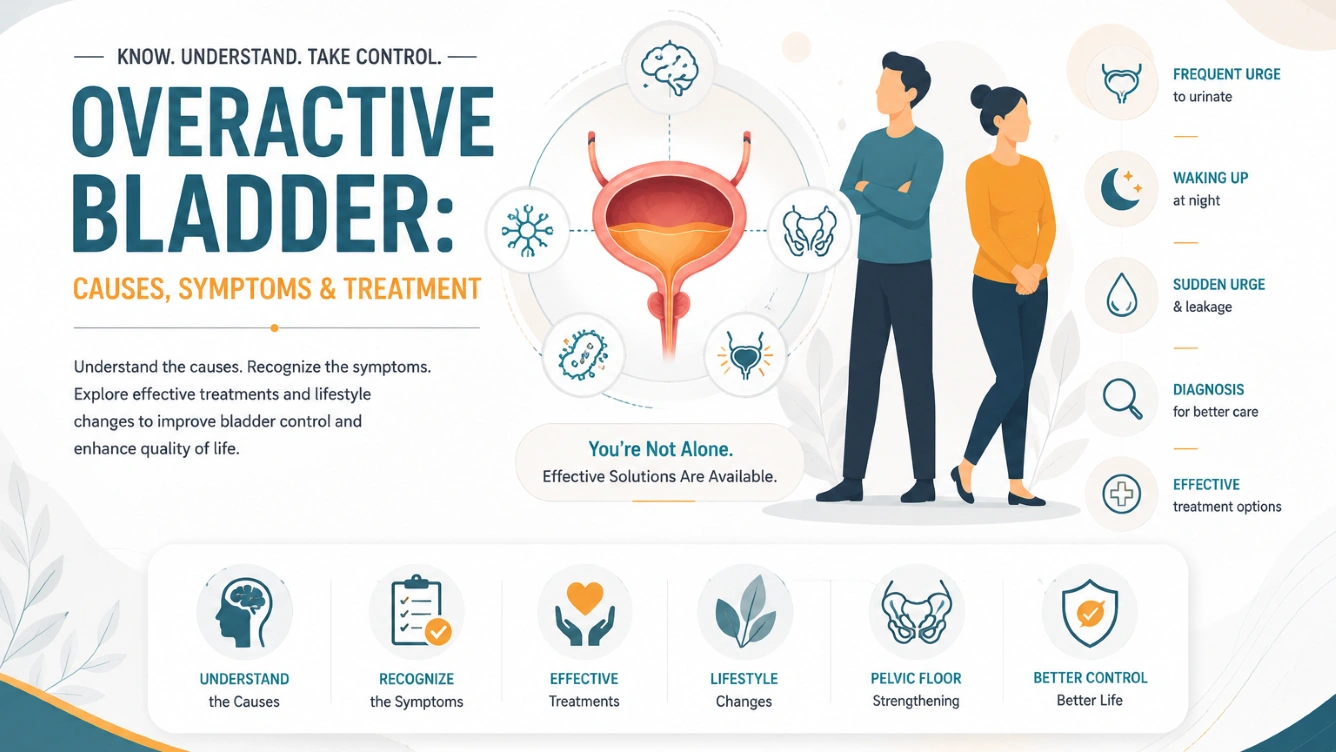
Let’s be honest for a second: have you ever walked into a coffee shop, a t...

I had my first UTI at 28, and honestly, it was very painful. I had no idea what was going on and felt too shy to even talk about it. So I turned to Google and found the Bladder Wellness website. Their articles explained everything in such a simple way it finally made sense to me. I started following their tips like drinking more water, peeing after intimacy, and switching to cotton underwear. Touch wood, it’s been 14 months and no UTI since. They also have doctor videos and live Q&A sessions, which made me feel so much more confident about managing my health.

I'm 65 and thought urinary leakage was just a normal part of getting older. My daughter kept asking me to see a doctor, but I felt too embarrassed to talk about it. I eventually came across Bladder Wellness while looking for information online and started reading through the articles. I was surprised how much useful info they had and all for free. Those bladder tips completely changed things for me. I learned to double void and started the pelvic floor exercises they suggested. after a few months, I can now laugh, sneeze, and even exercise without worrying. I wish I had known about this years ago. To all women: don't wait take care of yourselves. It is never too late!

I'm a working mom of two after my second baby, my pelvic floor just gave me a really hard time. I was afraid to laugh, cough or sneeze in public. My doctor told me to do Kegels but didn't really explain how to do them properly. When I found Bladder Wellness, I discovered easy instructions. I started doing them every day and within just a few months, I really started to see a big difference. I no longer worry about embarrassing moments.

I had to go to the bathroom all the time, especially at night. It was shameful and exhausting. I found the Bladder Wellness while searching online for answers. Reading the articles made me realize that overactive bladder is actually pretty common and that other people were dealing with the same thing. I started following the tips especially cutting back on caffeine and doing Kegel exercises regularly. Within a few weeks, I noticed a real difference. It honestly changed how I deal with my symptoms.

My father used to get up 5–6 times every night to go to the bathroom. To be honest, we were scared and didn't know what to do. Then a friend told us about Bladder Wellness and we started watching their doctor videos and live sessions together. The tips the doctors shared in those videos—like cutting down fluids before bed and simple pelvic floor exercises made a real difference for him. We also found an excellent urologist through their directory. Now Dad sleeps soundly through the night and actually has energy during the day. It's crazy how something so simple was quietly ruining his quality of life all this time. Huge thanks to the whole team!
I had my first UTI at 28, and honestly, it was very painful. I had no idea what was going on and felt too shy to even talk about it. So I turned to Google and found the Bladder Wellness website. Their articles explained everything in such a simple way it finally made sense to me. I started following their tips like drinking more water, peeing after intimacy, and switching to cotton underwear. Touch wood, it’s been 14 months and no UTI since. They also have doctor videos and live Q&A sessions, which made me feel so much more confident about managing my health.
I'm 65 and thought urinary leakage was just a normal part of getting older. My daughter kept asking me to see a doctor, but I felt too embarrassed to talk about it. I eventually came across Bladder Wellness while looking for information online and started reading through the articles. I was surprised how much useful info they had and all for free. Those bladder tips completely changed things for me. I learned to double void and started the pelvic floor exercises they suggested. after a few months, I can now laugh, sneeze, and even exercise without worrying. I wish I had known about this years ago. To all women: don't wait take care of yourselves. It is never too late!
Thank you for reaching out to Bladder Wellness! Your thoughts, questions and feedback are important to us, and we appreciate you taking the time to get in touch.