Let’s be honest for a second: have you ever walked into a coffee shop, a theater, or a friend’s living room and immediately scanned the room for the bathroom sign—just in case? Do you know exactly how long you can sit through a movie before your brain stops focusing on the plot and starts focusing on your bladder?
If that sounds familiar, take a breath. You’re not broken, and you’re definitely not alone.
An overactive bladder (OAB) has a sneaky way of shrinking your world. It makes you leave meetings early, fear long car rides, and wake up exhausted because your body refused to let you sleep through the night. But here’s the thing most people don’t realize: it’s not just a "normal part of aging," and you absolutely don’t have to just put up with it.
Getting your life back starts with understanding what’s actually going on down there. So, let’s ditch the embarrassment and talk about it like real people.
Think of a healthy bladder like a relaxed balloon. It fills up slowly, and when it’s genuinely full, it politely taps your brain on the shoulder and says, "Hey, find a restroom when you can."
With an overactive bladder, that polite tap turns into a screaming fire alarm—even when the balloon is barely half full. The muscles in your bladder wall start squeezing when they aren’t supposed to. The signal gets crossed, and suddenly, your brain is convinced you’re at DEFCON 1 when you’re really not.
It’s not a disease on its own. It’s a set of symptoms—a faulty communication loop between your nerves and your muscles.
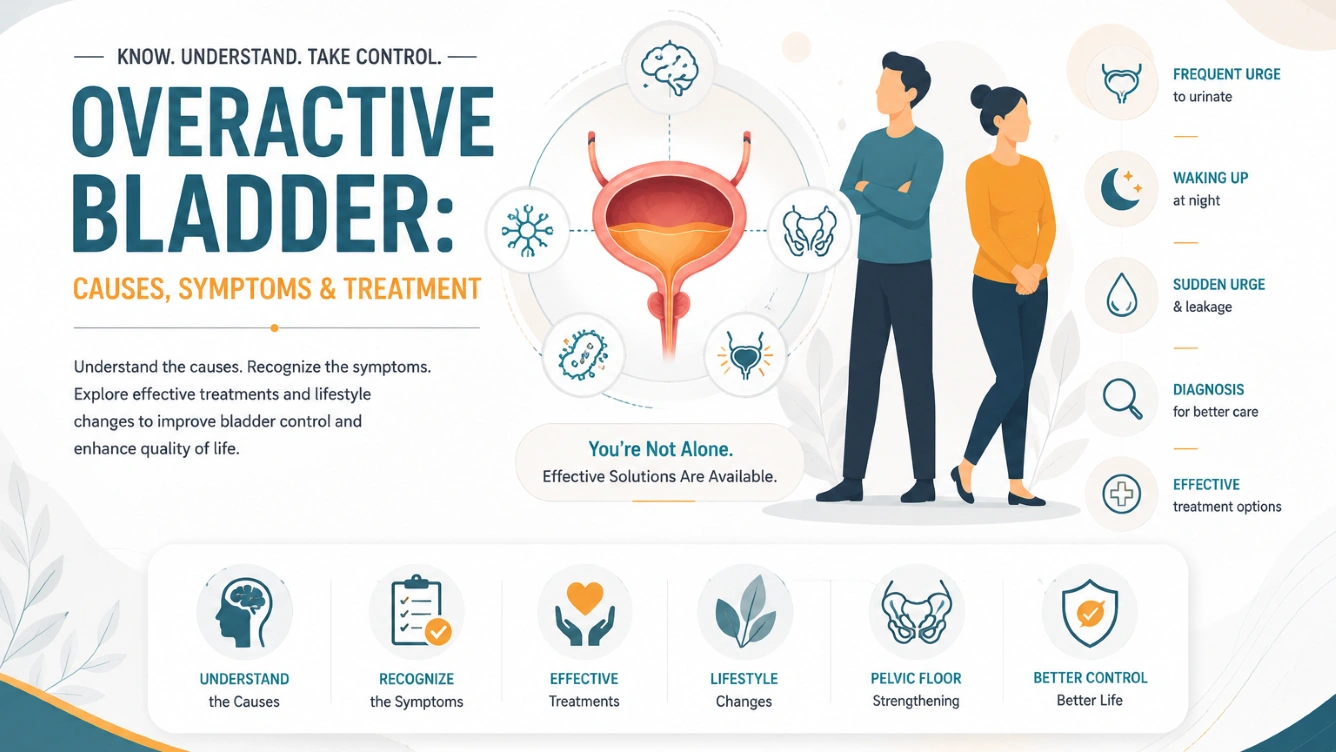
OAB isn't the same for everyone, but if you’re dealing with it, you’ll probably recognize these patterns:
The Sudden Panic: That overwhelming urge to urinate that comes out of nowhere and feels impossible to ignore.
The Frequent Visitor: You’re going to the bathroom more than eight times a day. At a certain point, you’re not even producing much; you’re just going because the alarm went off.
The Midnight Shuffle (Nocturia): Waking up multiple times a night. This isn't just annoying; it destroys your sleep cycle and leaves you groggy the next day.
The "Uh-Oh" Moment (Urge Incontinence): This is when you don't quite make it. The urge hits so hard and fast that a leak happens before you get there. Not everyone leaks, but the fear of it is just as stressful.
If your doctor blames it solely on "getting older," push back a little. Sure, our bodies change as we age, but OAB often has a specific driver.
The Pelvic Floor Connection: For many women, pregnancy and childbirth have stretched out the hammock of muscles that holds everything up. When that support system gets weak, the bladder freaks out. Menopause doesn't help either, as changing hormones can thin the tissues.
The Brain-Bladder Highway is Down: Conditions like a stroke, Parkinson’s, MS, or a spinal injury can mess with the wiring. If the brain can’t tell the bladder to chill out, the bladder will run the show.
Uncontrolled Diabetes: High blood sugar makes you pee more, but it can also damage the nerves that control the bladder over time. It’s a double-edged sword.
The Liquid You’re Drinking: You might be bathing your bladder in irritants all day without realizing it. Coffee (even decaf sometimes), strong black tea, fizzy sodas, booze, and artificial sweeteners can make a perfectly healthy bladder cranky.
The Belly Factor: Carrying extra weight, especially around the middle, puts physical pressure on your bladder. It’s like sitting on a water balloon—it’s going to want to empty sooner. Chronic constipation does the same thing; a backed-up colon pushes right on the bladder.
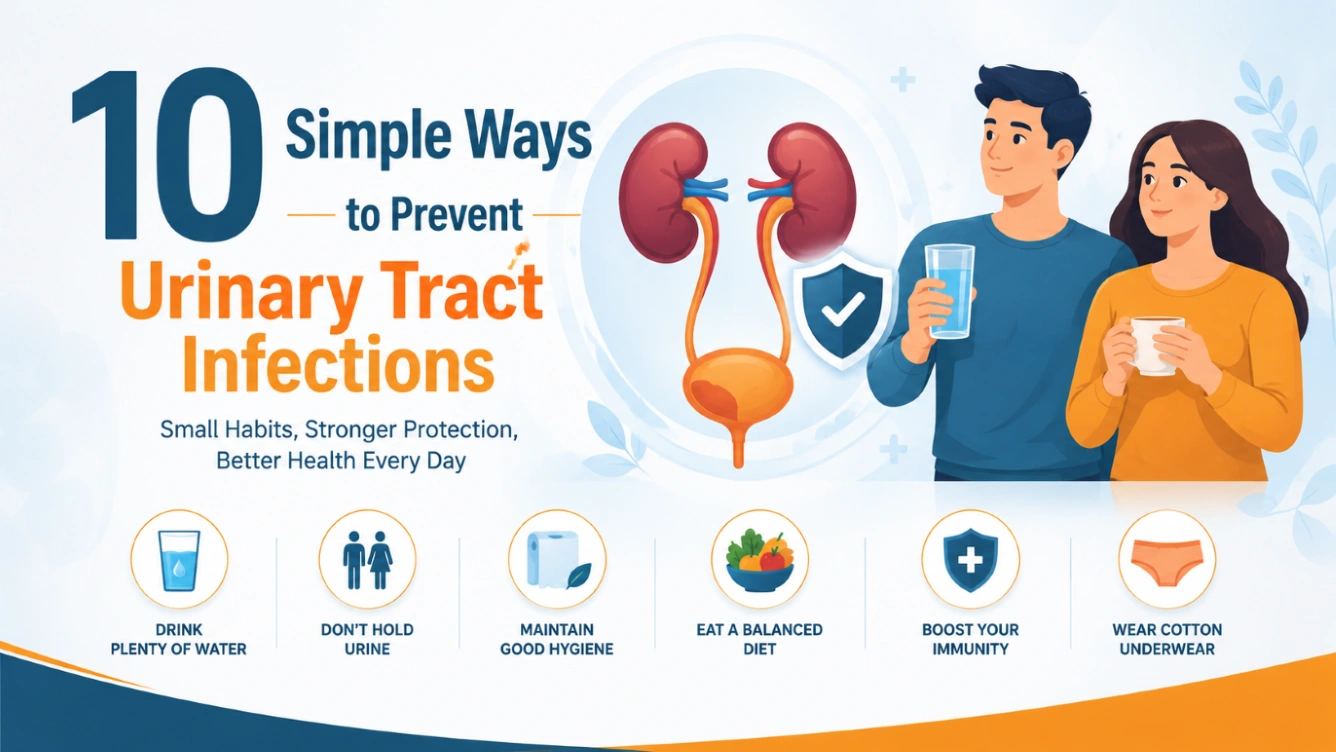
You don't have to just guess. A doctor will usually start by ruling out the easy stuff, like a urinary tract infection (which can feel exactly like a sudden OAB flare-up).
Be ready to answer the awkward questions: How much do you pee? Do you leak? How much coffee is really in that mug? They might ask you to keep a bladder diary—literally writing down what you drink and when you pee. It’s tedious, but it shows patterns you’d never notice otherwise.
Here’s the good news: you have a massive toolkit to work with before resorting to heavy-duty drugs.
1. Stop Irritating the Lining
Take a hard look at your diet. You don't have to live like a monk, but swapping that afternoon espresso for water or a low-acid herbal tea for a week can tell you everything you need to know.
2. The Art of Bladder Training
Your bladder is a creature of habit. You’ve trained it to panic. You can train it to relax. If you usually rush to the bathroom the second you feel a twinge, stop. Stand still. Squeeze your pelvic floor. Take five deep breaths. Wait five minutes. You’re sending a message: "We’re not running this show anymore." Gradually stretch that time out over weeks.
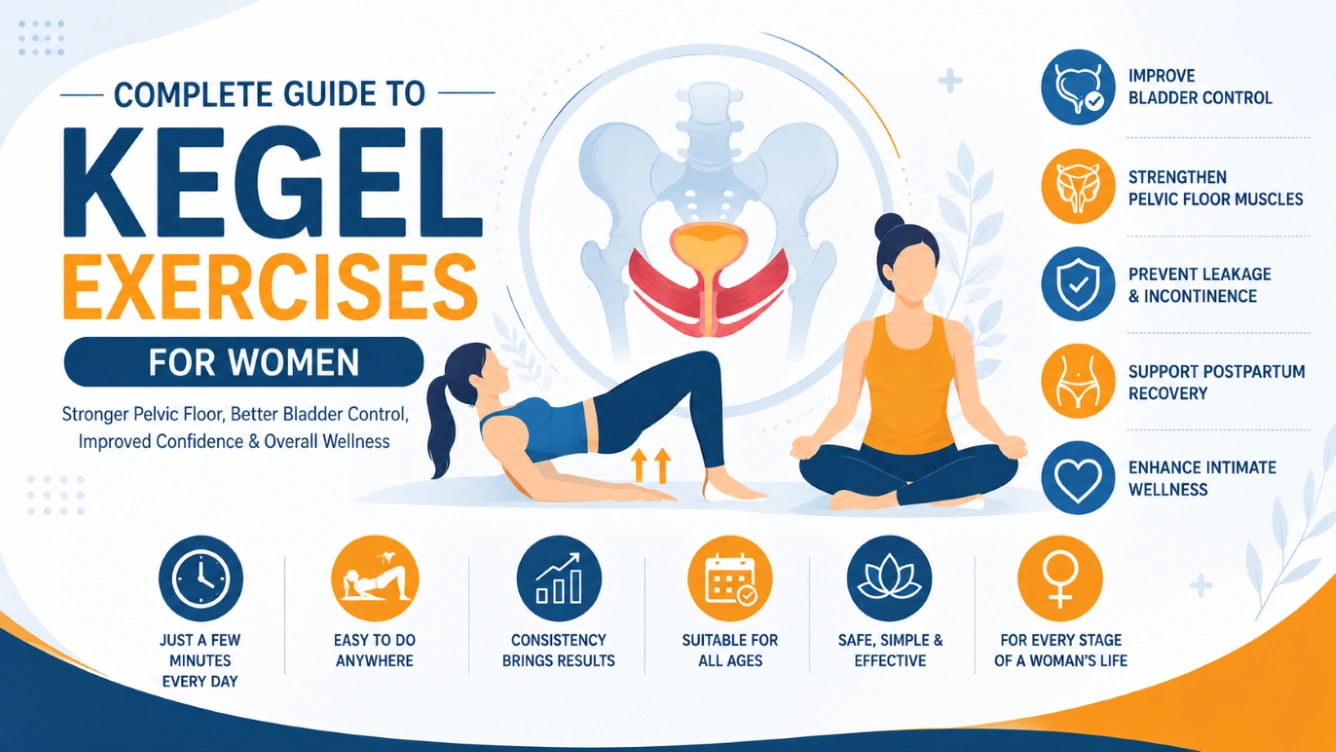
3. Kegels (But Do Them Right)
Most people half-heartedly clench and hope for the best. Don't do that. Imagine you’re trying to stop the flow of urine and hold in gas at the same time. That deep, internal lift is your pelvic floor. Squeeze, hold for 5-10 seconds, and completely release. The "release" part is just as important as the squeeze. Do this while stopped at red lights, brushing your teeth, or watching TV. It’s a silent superpower.
4. When You Need Backup
If you’ve dialed in the lifestyle stuff and you’re still struggling, it’s time for the medical big guns.
Medication: Pills can quiet the bladder muscle spasms, though they can leave you with a dry mouth.
Botox: It sounds cosmetic, but it’s a game-changer for bladders. A few injections can relax the muscle for months.
Nerve Tweaking: Therapies like PTNS (a tiny acupuncture-like needle near the ankle) or a sacral nerve stimulator (like a pacemaker for the bladder) can fix the faulty signals.
There's a psychological weight that comes with OAB—the constant mapping of toilets, the fear of smelling like urine, the refusal of social invitations. But this is a mechanical, physiological problem. And usually, mechanical problems have mechanical solutions.
Don't let embarrassment keep you from mentioning this to your doctor. They hear about it every single day. Your bladder may be loud, but your voice needs to be louder. Take the action now so you can get back to thinking about what you want to do, rather than where you’ll need to go.